
HEALTHCARE SERVICES

CONSULTATION

Wellness Exams

A pet wellness exam is a general health assessment and screening to ensure your pet is healthy. A comprehensive physical examination along with diagnostic tests such as blood work, urinalysis, stool analysis, imaging studies etc, may be performed depending on the age, health status and needs of your pet. Pet wellness exams should be performed annually and are an important aspect of pet preventative health management from an infant stage to geriatric stage.

Puppy & Kitten Health Checks

Our veterinarians will perform a thorough physical examination on your little ones during this visit; checking for any congenital abnormalities and ensuring your new pet is well and healthy. Diagnostic tests may be performed if indicated. A healthcare plan including nutrition and preventative healthcare will be discussed and we will gladly assist you with any further queries regarding the care for your new family member. Help your precious pet start their journey on the right note!

Pet Export Health Checks & Certification

We provide pre-export health examinations, testing, and certification before your fur babies embark on their journey abroad. Let us help you ensure they are fit and suitable for travel and relocation to their new home.

You may visit the Agri-Food & Veterinary Authority of Singapore website here for further information on pet export guidelines.

Traditional Chinese Veterinary Medicine (TCVM) Consultations

We believe in a holistic approach towards pet care and practice TCVM to complement with Western medical practices.

Feel free to contact us at 6455 6880 if you have any queries.



Vaccinations

United Veterinary Clinic provides a comprehensive range of vaccination services. Prevention is better than cure. Please keep your precious pets protected!

You may visit our Puppy & Kitten Vaccinations page for further information about vaccinations and their scheduling.

You may expand on the following headers for more information on each vaccination service.

Canine Core Vaccinations (click to read more)

United Veterinary Clinic provides comprehensive core vaccinations for dogs.

  • Canine Parvovirus is a potentially fatal disease that causes severe gastrointestinal illness, resulting in profuse bloody diarrhea and vomiting. Dogs of all ages can be affected. Puppies are the most susceptible. Transmission is via the oral-fecal route.
  • Canine Distemper Virus is a highly contagious disease that affects the respiratory and nervous systems leading to permanent lung and nerve damage. Transmission is via contact with infected respiratory secretions, tears, saliva, and feces.
  • Canine Adenovirus (Canine Infectious Hepatitis) is a disease that causes acute liver failure and kidney disease. Transmission is via contact with infected urine and nasal secretions.
  • Canine Parainfluenza Virus is a viral component of “Kennel Cough”. Infection can lead to debilitating respiratory problems. Transmission is via contact with aerosolized secretions.
Feline Core Vaccinations

United Veterinary Clinic provides comprehensive core vaccinations for cats.

  • Feline Panleukopenia (Feline Parvovirus) is a fatal disease that causes severe gastrointestinal illness, resulting in profuse bloody diarrhea and vomiting. Unvaccinated cats of all ages can be affected. Kittens are the most susceptible. Transmission is via the oral-fecal route.
  • Feline Herpes Virus & Feline Calicivirus (Feline Respiratory Disease complex) also known as “Cat Flu” syndrome, are highly contagious viruses that can cause severe respiratory tract infections. Transmission is via contact with aerosolized secretions.
  • Feline Chlamydia is a disease that causes severe and persistent conjunctivitis. Progression can lead to other respiratory symptoms.
Kennel Cough Vaccinations

Protect your precious dogs from kennel cough, allow them to safely socialise and mingle.

  • Bordetella bronchiseptica commonly referred to as “Kennel Cough”. This bacterial disease causes respiratory symptoms, mainly a dry, hacking cough. Transmission is via contact with aerosolized secretions.
Rabies Vaccinations

United Veterinary Clinic provides rabies vaccinations for dogs and cats travelling abroad. Rabies is a highly deadly viral disease that affects the nervous system. The virus can also be spread to humans. As Singapore is a rabies-free country, pets living in Singapore do not require a routine rabies vaccination.

Leptospirosis Vaccination

Leptospira is a bacterial disease that causes acute kidney failure. Transmission is via infected urine and contaminated water-bodies. Although leptospirosis is considered an optional vaccine, it is considered to be endemic in Singapore. In 2016 there was reported spike of leptospirosis in Singapore.

All dogs are advised to be kept up to date with leptospirosis vaccinations. The bacteria survive well in stagnant water pools, sewage and can be spread by rats. Leptospirosis is a zoonotic disease (spread between animal and human) that can cause severe liver and kidney damage in humans too.

Vaccine Antibody Titre Testing

United Veterinary Clinic provides canine vaccine antibody titer testing services to allow paw parents to make an informed decision with vaccination and avoid over or under vaccinating their pets.

Check if your fur babies still have adequate antibody levels from their last vaccination booster. Adult dogs have the option to vaccinate core vaccinations every 3 years provided they have sufficient antibody protection.

Feel free to contact us at 6455 6880 if you have any queries.

Hospitalisation

In-Patient Critical Care and Monitoring

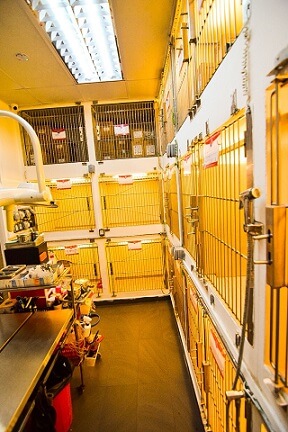
  • United Veterinary Clinic has an intensive care ward fully equipped to enable optimal care for critically ill patients.
  • Electronic fluid pumps are provided to ensure each patient receives intravenous fluids and medications accurately and at the appropriate amount and timing.
  • Cages have soft towel bedding or padded vet-grade cushions to provide comfort for patients and minimize pressure sores.
  • Portable oxygen generators are on standby to deliver cage oxygenation for patients that require continuous oxygen therapy.
  • Patient warming and temperature regulation is provided with medical grade heat mattresses and hot water bottle warmers.
  • Portable patient monitoring devices are available to monitor critical patients closely within the comforts of their own hospital cages.
  • Electrocardiography (ECG) allows monitoring of the electrical activity in the heart.
  • petMAP Blood Pressure Measurement device allows monitoring of blood pressure changes.
  • Pulse oximeter allows SpO₂ monitoring (oxygenation levels)
  • In house laboratory is conveniently located within close proximity to facilitate efficient monitoring of patient internal status

In the event of an emergency, a crash cart stocked with emergency drugs and a manual resuscitator mask and oxygen outlet is available to provide cardio pulmonary resuscitation during emergency situations such as cardiac arrest.

Medical Boarding

United Veterinary Clinic provides medical boarding for pets requiring special medical care and frequent veterinary monitoring. Your pet will enjoy the attention and affection of our dedicated staff.

Animal & Veterinary Service (AVS) approved Quarantine Facility

United Veterinary Clinic is an approved quarantine facility by the Animal & Veterinary Service (AVS). An isolation ward is available to provide hospitalization, treatment and critical care monitoring for imported dogs and cats undergoing quarantine.

Please do not hesitate to contact us at 6455 6880 if you have any queries.

Transfusion Medicine

United Veterinary Clinic maintains a well-stocked canine blood bank to provide emergency blood transfusion services for critically anemic dogs.

You may expand on the following headers for more information on the type of transfusion services we provide.

Blood Transfusion (click to read more)

What is a blood transfusion?

A blood transfusion is a life saving medical procedure to treat symptoms and complications of anemia. The aim is to replace red blood cells so that proper oxygenation of tissues and organs can occur. The blood transfusion acts as a supportive process to elevate the low red blood cell count until the cause can be determined and treated.

When are blood transfusions necessary?

A blood transfusion is required in pets suffering from a low red blood cell count (anemia), with a pack cell volume of less than 15%.

What are the common causes of anaemia that requires a blood transfusion?

  • Tick fever
  • Blood loss (Hemorrhage) – Internal or External Bleeding
  • Destruction of red blood cells (Haemolysis) – Immune-mediated Hemolytic Anemia (IMHA)
  • Consumption or Re-distribution of blood (Sequestration) – Internal or External Tumours

Are there risks with a blood transfusion?

A blood transfusion reaction is always possible due to the nature of introducing “foreign” blood into your pet’s body. Dogs receiving a blood transfusion for the first time have a much lower risk of a reaction as antibodies have yet to develop. However, dogs that have received blood transfusions before face a higher risk of developing adverse transfusion reactions. Adverse reactions include the further breakdown of the blood, vomiting, nausea, breathing difficulties, death etc).

At United Veterinary Clinic, various precautions are taken to reduce the risk of a transfusion reaction. These precautions include pre-medicants prior to the transfusion, close patient monitoring during the transfusion, and the use of compatible blood based on blood typing and cross-matching to identify the most suitable blood donor.

How is a blood transfusion performed?

Based on your pet’s red blood cell level and weight, a specific volume of whole blood will be calculated and slowly transfused into your pet. The blood transfusion is typically performed over up to 6 hours. During the transfusion, your pet will be hospitalized and monitored closely for any adverse transfusion reactions.

Should your pet require a blood transfusion, please give us a call to enquire about our blood bank status.

Canine Blood Typing and Cross-Matching

How do we choose the most compatible blood?

  • Blood Typing. As with humans, dogs have several blood types. The important blood type during a transfusion is classified as DEA 1.1 negative or positive. In-house blood typing kits are available for us to determine your pet's blood type and choose a compatible donor.
  • Cross Matching. At United Veterinary Clinic, cross-matching of donor and recipient blood is always performed prior to a transfusion. Your pet's blood and the donor's blood will be mixed and evaluated under a microscope. This allows us to evaluate the compatibility prior to a transfusion and choose the best available blood for your pet.


Albumin Transfusion

What is albumin?

Albumin is an essential protein produced by the liver. Albumin has an important role in maintaining fluid balance preventing fluid from leaking out of blood vessels into other body tissues (maintaining oncotic pressure). Albumin has an important role as a transporter, it binds and distributes via the bloodstream, minerals such as calcium, bilirubin, and drugs throughout the body.

When is albumin transfusion used?

Albumin transfusions are administered to increase the serum albumin protein, total protein and oncotic pressure in critically ill dogs. Patients with severe protein loss may include:

  • Kidney failure patients with protein-losing nephropathy
  • Gastrointestinal disease patients with protein-losing enteropathy
  • Burn victims
  • Cancer patients
Plasma Transfusion
What is plasma?

Plasma is the liquid component of blood after removal of red blood cells, white blood cells and platelets. Plasma contains water, salts, enzymes, proteins (albumin and globulin), clotting factors and antibodies.

What is a plasma transfusion?

A plasma transfusion is an emergency procedure used to treat clotting diseases or a severe infection.

When is plasma transfusion indicated?
  • Clotting deficiency – anticoagulant rodenticide toxicity, liver failure, disseminated intravascular coagulopathy secondary to heat stroke
  • Protein deficiency (hypoproteinemia)
  • Canine parvovirus infection
  • Heat Stroke patients suffering from disseminated intravascular coagulopathy (DIC)

Please do not hesitate to contact us at 6455 6880 if you have any queries.

TRADITIONAL CHINESE MEDICINE

Traditional Chinese medicine (TCM) is built on a foundation of more than 2,500 years of Chinese medical practices which includes various forms of herbal medicine, acupuncture and dietary therapies, applicable to veterinary science. The language of TCM offers a different worldview; a different way of expressing the nuances of clinical signs and symptoms which may not tie together from a Western perspective.

At United Veterinary Clinic, we believe in a holistic approach towards pet care, incorporating Traditional Chinese Veterinary Medicine (TCVM) practices to complement Western veterinary practices. Our experienced and certified veterinarian is on hand to offer alternative treatments to treat the ‘imbalance’ or disease in your pet.

Acupuncture

Acupuncture improves a patient’s well being by improving autonomic activity, relieving pain and changing blood flow patterns through techniques administered by our veterinarian. At United Veterinary Clinic, we have seen numerous patients who benefit from this form of alternative treatment.

Herbal Medicine Therapy

Being a complete TCM veterinary clinic, Chinese herbal medicine is commonly dispensed to enhance the efficacy and recovery for our patients.

Infrared Heat Lamp Therapy

What is Infrared Heat Lamp Therapy?

Heat lamp transmits infrared light into body tissues, improving blood circulation to the target area. Increase blood supply aids with tissue recovery by delivering nutrients and oxygen to tissues.

What are the benefits of Infrared Heat Lamp Therapy?

  • Pain relief – nerve pain, spinal pain, muscle pain, joint pain
  • Blood circulation – improves delivery of oxygen and nutrients to tissues via the bloodstream
  • Anti-inflammatory
  • Wound Healing

Please do not hesitate to contact us at 6455 6880 if you have any queries.

LASER THERAPY

What is Laser Therapy?

Laser therapy uses specific wavelengths of light (infrared) to stimulate tissue recovery.

How does Laser Therapy work?

Laser therapy stimulates acupuncture points. Increase blood flow and oxygen supply to tissues. Laser energy delivers a similar effect to acupuncture but without the use of needles. The infrared laser light stimulates cells, increasing metabolism, improving delivery of nutrients to the cell, improving cell function and health.

What are the benefits of laser therapy?

Laser therapy increases circulation, drawing water, oxygen and nutrients to the damaged area. This creates an optimal healing environment that reduces pain / inflammation / swelling / muscle spasms / stiffness. As the injured area returns to normal, function is restored, and pain is relieved

How is laser therapy treatment done?

No patient sedation is required. Minimal restraint is needed as a patient rests while the laser is shined upon the target areas. The experience is typically pleasant. No hair needs to be clipped. Most patients require a minimum of 3 to 7 sessions for maximum beneficial results. Most patients generally experience better comfort and mobility within 24 to 72 hours. The duration (length of each treatment session) and intensity (frequency of the laser) depends on the condition your pet is being treated for.

Example of a treatment schedule:
Every other day for 3 sessions, then twice weekly for 2 sessions, then once weekly for 2 sessions, or once weekly for 7 sessions.

Conditions that have benefited from laser therapy include:

  • Arthritis
  • Joint Pain
  • Wounds

Please do not hesitate to contact us at 6455 6880 if you have any queries.

End of Life Care

As pet owners, we endeavor for our beloved pets to remain healthy and happy, to enjoy quality living until a ripe old age. Unfortunately, our pets do not live as long as us, and at some point, we will have to be prepared to say our goodbyes.

Some pets pass on peacefully in their sleep while others unfortunately, succumb to a terminal or debilitating ailments that compromises their quality of life. In such instances, owners are faced with the difficult decision to let them go. United Vet endeavors to make the process of pet euthanasia peaceful and dignified. We are here to help you through this difficult process.

How do I know when it is time to say goodbye to a beloved?

If you notice your pet still experiencing significant pain, discomfort and a poor quality of life, despite attempts to alleviate this with veterinary or palliative care.

What are the signs that my pet is experiencing pain or discomfort?

Vocalisation, Limping / Lameness, Agitation / Restlessness, Heavy Panting / Breathing, Withdrawn / Anti-social Behaviour, Increased aggression, inappetence, Dullness and Weakness.

Euthanasia (click to read more)

What is euthanasia?

Euthanasia is the process of putting a pet to sleep in a peaceful manner, with minimal pain and stress.

How is euthanasia performed?

Euthanasia involves injected an overdose of anesthetic into the vein of a pet to stop heart function. You may be present for the process to accompany your beloved pet.

A catheter will be placed first to administer a sedative to improve your pet's comfort levels. The anesthetic is subsequently administered. As the anesthetic takes effect, your pet's heart will stop beating, they will gradually lose consciousness, stop breathing and pass on peacefully. The vet will check to confirm your pet has passed on.

On some occasions, a pet’s muscles may tremble or they may gasp. These are reflex actions only, and not a sign of them struggling. This can be upsetting for some clients.

As muscles in the body relax, your pet’s eyes will remain open and bowels or bladder may be emptied.

Since the founding of United Veterinary Clinic, we have partnered with Mobile Pet Cremation Services for our cremation services. Arrangements are made through our clinic so that we can ensure your beloved pet receives the utmost care and respect, and you receive the assistance you need, during this time of grief.


Cremation

What are types of cremation available?

There are 2 types of cremation:

  • Private cremation – the pet is cremated individually.
  • Common cremation – the pet is cremated together with other pets.

Please do not hesitate to contact us at 6455 6880 if you have any queries.

copyright 2026. United Veterinary Clinic. All Rights Reserved